



FANGKUAI Boiler has successfully concluded its participation in the China Import and Export Fair (Canton Fair), marking another valuable opportunity to connect with international customers and explore new business opportunities in the industrial boiler market.
The exhibition brought together buyers, distributors, and industry representatives from different regions. Through direct communication and product discussions, FANGKUAI Boiler introduced its industrial heating solutions and gained further insight into the requirements of customers seeking efficient and dependable boiler equipment.
During the exhibition, FANGKUAI Boiler focused on industrial boiler applications and solutions designed for different production processes. Our team discussed boiler selection, fuel options, operating requirements, and equipment configurations with visitors interested in improving their industrial steam and heating systems.
Our product portfolio covers a variety of industrial boiler solutions, including:
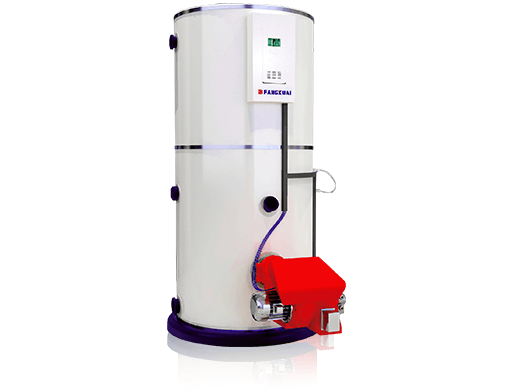
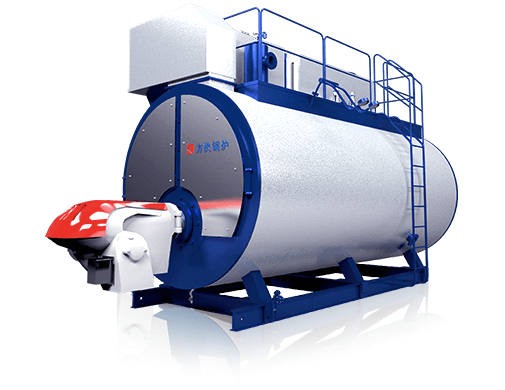
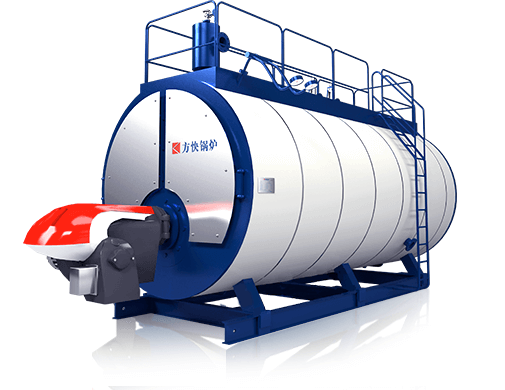
Gas-Fired Boilers: Designed for industrial applications requiring reliable steam or hot water using natural gas and other suitable gaseous fuels.
Oil-Fired Boilers: Available for factories and industrial facilities that use diesel or other applicable liquid fuels.
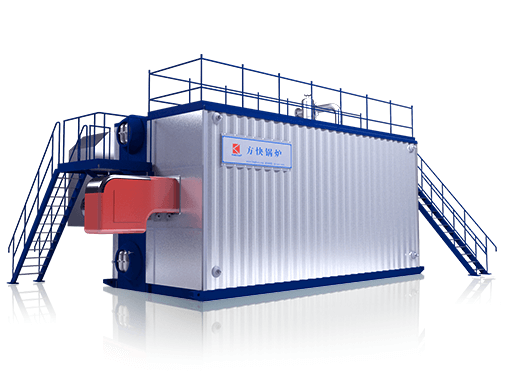
Steam Boilers: Suitable for manufacturing processes in industries such as food processing, textiles, chemicals, and pharmaceuticals.
Hot Water Boilers: Designed for industrial heating and process hot water applications.
Energy-Efficient Boiler Systems: Configurations that can incorporate heat recovery and other efficiency-enhancing technologies, depending on project requirements.
Customized Boiler Solutions: Equipment configurations developed according to required capacity, working pressure, fuel supply, installation conditions, and local regulations.
These discussions highlighted the importance of matching boiler specifications to actual operating conditions rather than selecting equipment based solely on rated capacity or initial purchase price.
Direct communication remains an important part of understanding industrial customers' needs. At the Canton Fair, FANGKUAI Boiler had opportunities to discuss a range of project considerations with visitors, including production demand, energy consumption, operating costs, equipment installation, and environmental compliance.
For customers planning to purchase an industrial boiler, several factors deserve careful evaluation:
Required steam output or hot water capacity
Available fuel types and local fuel prices
Operating pressure and temperature requirements
Energy efficiency and long-term operating costs
Emission requirements and applicable safety standards
Installation space, maintenance access, and after-sales support
By understanding these factors at the early stage of a project, customers can make more informed equipment decisions and identify solutions that better suit their production needs.
FANGKUAI Boiler looks forward to continuing these discussions and providing technical information to customers evaluating new boiler installations or upgrades to existing systems.
Industrial facilities have different heating demands, production schedules, and energy resources. A suitable boiler solution should therefore consider the entire application, from fuel selection and system configuration to operating performance and maintenance requirements.
FANGKUAI Boiler provides industrial boiler solutions for a range of industrial applications, with equipment options designed to address different steam and hot water demands. Depending on the project, customers can discuss capacity selection, fuel compatibility, auxiliary equipment, control systems, and heat recovery options with our team.
Our goal is to help customers evaluate practical boiler configurations that align with their operational requirements and project budgets.
The successful conclusion of the Canton Fair marks the end of the exhibition, but it also provides a starting point for further communication and potential cooperation.
FANGKUAI Boiler appreciates the interest and time of everyone who visited our booth and discussed industrial boiler applications with our team. We look forward to following up on project inquiries, strengthening relationships with business partners, and exploring opportunities to serve more customers in international markets.
Are you planning an industrial steam boiler project, replacing existing heating equipment, or comparing boiler solutions for your factory?
Contact FANGKUAI Boiler to discuss your application requirements and learn more about available industrial boiler options.
Learn more about FANGKUAI Boiler and its industrial heating solutions through our official website


FANGKUAI Boiler is excited to announce its participation in the 2026 Indonesia International Boiler Exhibition (EXPO BOILER 2026), which will take place from November 3 to 5, 2026, at JIEXPO Jakarta International Expo, Indonesia.
As a professional industrial boiler manufacturer, FANGKUAI Boiler warmly welcomes customers, engineering companies, distributors, and industry professionals to visit Booth A3-74 to explore industrial boiler technologies and discuss customized heating solutions.
EXPO BOILER is an international exhibition dedicated to boiler technology, industrial heating systems, and related equipment. The event provides an opportunity for manufacturers, suppliers, and industrial users to exchange technical knowledge and explore business cooperation.
| Exhibition Name | EXPO BOILER 2026 |
|---|---|
| Exhibitor | FANGKUAI Boiler |
| Exhibition Date | November 3–5, 2026 |
| Location | JIEXPO Jakarta International Expo, Indonesia |
| Booth Number | A3-74 |
Industrial steam and heating systems play an essential role in manufacturing operations. Selecting the appropriate boiler technology can help businesses improve energy utilization, maintain stable production, and manage operating costs.
During EXPO BOILER 2026, FANGKUAI Boiler will introduce its industrial boiler solutions and share technical expertise with visitors from different industries.
Our main product range includes:

Indonesia has a diverse industrial sector, including food processing, textiles, palm oil production, chemicals, and other manufacturing industries that require dependable steam and thermal energy.
FANGKUAI Boiler aims to support industrial customers by providing boiler equipment and technical solutions tailored to different production requirements.
At the exhibition, our technical representatives will be available to discuss important project considerations, including:
We welcome visitors to share their project specifications with our team so that we can discuss suitable equipment configurations and potential cooperation opportunities.
EXPO BOILER 2026 is an excellent opportunity to meet our team face-to-face, learn more about our industrial boiler products, and exchange ideas on industrial heating applications.
Whether you are looking for a new industrial steam boiler, considering an equipment upgrade, or searching for a long-term boiler manufacturing partner, we invite you to visit our booth in Jakarta.
Our team will be pleased to discuss your requirements and provide information about our products and technical services.
We sincerely invite our customers and partners from Indonesia and across Southeast Asia to meet us at EXPO BOILER 2026.
Exhibition: EXPO BOILER 2026
Date: November 3–5, 2026
Venue: JIEXPO Jakarta International Expo, Indonesia
Booth: A3-74
To arrange a meeting or discuss your industrial boiler requirements before the exhibition, please contact FANGKUAI Boiler through our official website.
We look forward to welcoming you at Booth A3-74 in Jakarta, Indonesia!


FANGKUAI Boiler is excited to announce our participation in the 140th China Import and Export Fair (Canton Fair 2026), which will be held from October 15th to 19th, 2026 at the China Import and Export Fair Complex in Guangzhou, Guangdong, China.
As a professional industrial boiler manufacturer, FANGKUAI Boiler will present our latest boiler technologies and customized heating solutions at Booth No. 6.1B03. We sincerely invite global customers, distributors, and industry partners to visit our booth and explore potential cooperation opportunities.
At Canton Fair 2026, FANGKUAI Boiler will showcase a variety of efficient and reliable boiler solutions designed for different industrial applications. Our products are developed to provide stable steam supply, energy efficiency, and flexible fuel options for customers worldwide.
Visitors can learn more about our main boiler products, including:
FANGKUAI Boiler provides heating solutions for various industries, including food processing, textile, pharmaceutical, chemical, manufacturing, and commercial heating applications. Our professional team can help customers select suitable boiler systems based on fuel type, steam demand, operating pressure, and project requirements.
The Canton Fair is an important international platform connecting manufacturers, buyers, and industry professionals from around the world. During the exhibition, visitors can communicate directly with the FANGKUAI Boiler team and discuss their specific heating and steam requirements.
Our experts will provide professional consultation on:
Whether you are planning a new boiler installation, replacing an existing heating system, or searching for a reliable boiler supplier, FANGKUAI Boiler is ready to provide professional support and suitable solutions.
With extensive experience in boiler manufacturing and international markets, FANGKUAI Boiler focuses on delivering safe, efficient, and environmentally friendly boiler equipment for customers around the world.
Through continuous innovation and cooperation with global partners, FANGKUAI Boiler aims to provide advanced heating technologies and professional services for different industrial sectors.
The 140th Canton Fair 2026 will be a great opportunity to explore new technologies, exchange industry insights, and develop future business partnerships.
We warmly welcome you to visit FANGKUAI Boiler:
Our team looks forward to meeting you at Canton Fair 2026 and discussing how FANGKUAI Boiler can support your industrial steam and heating needs.
See you at Canton Fair 2026!