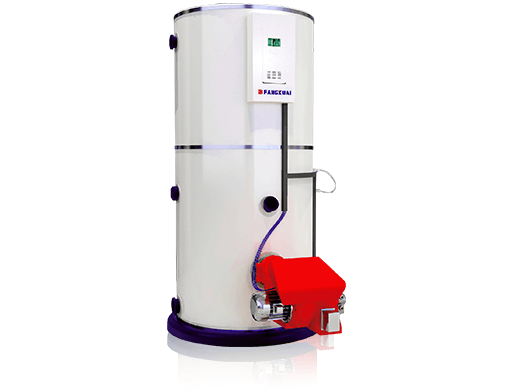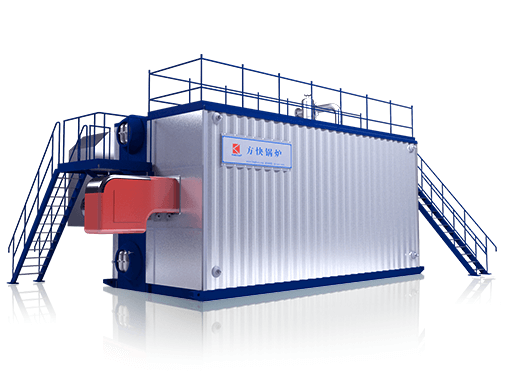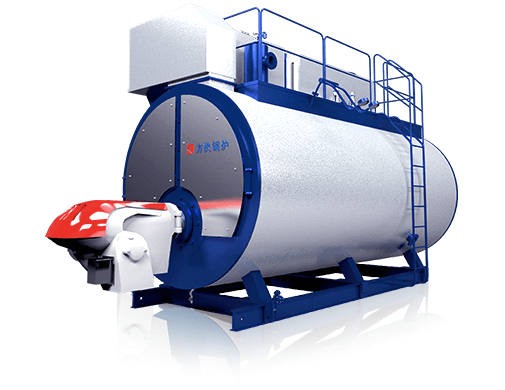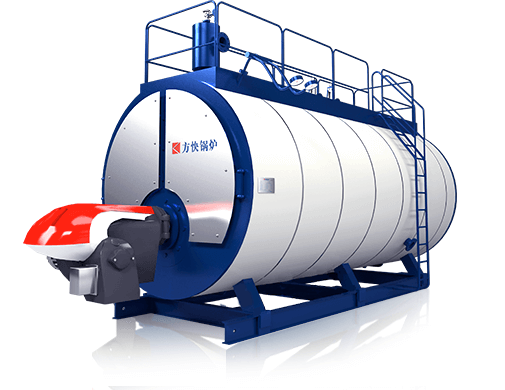


Let's get one thing straight. When we talk about industrial steam systems, we're not all talking about the same setup. The difference between a low-pressure heating boiler and a true High Pressure Steam Boiler is like the difference between a family car and a heavy-duty mining truck. One provides comfort; the other delivers the raw power necessary for serious industrial manufacturing and energy generation.

If you operate in chemical processing, large-scale manufacturing, or power generation, you understand that ordinary steam won't meet your demands. Your processes require force, high temperatures, and unwavering reliability. That's where High Pressure Steam Boilers come in. They are the powerhouse core of critical industrial steam systems, driving turbines, facilitating chemical reactions, and sterilizing equipment on a scale that defines modern production.
This guide is written for plant managers, facility engineers, and operations directors who need practical knowledge about these essential assets. We'll cut through the complexity to explain what makes High Pressure Steam Boilers different, how they integrate into broader industrial steam systems, where they're absolutely essential, and the key factors for specifying and maintaining them.

So, what exactly qualifies as a High Pressure Steam Boiler? In simple terms, it's a boiler designed and built to operate above 15 pounds per square inch gauge (psig). That's the common regulatory threshold where "low-pressure" ends and design specifications become significantly more stringent.
In the realm of industrial steam systems, the term High Pressure Steam Boiler typically refers to units operating at 100 psig and far beyond—commonly 150 psig, 250 psig, or exceeding 1,000 psig in utility power plants.
This "pressure" is far more than just a gauge reading. It represents the potential energy density within the steam. Higher pressure directly translates to:
Higher Temperature Steam: The saturation temperature increases with pressure. Steam at 150 psig is about 366°F (186°C), while at 600 psig it exceeds 486°F (252°C).
Greater Force and Density: The steam is more compact and powerful, making it dramatically more effective for performing mechanical work and transferring heat in industrial processes.
Engineered for Rigor: These boilers are fabricated to meet rigorous ASME Boiler and Pressure Vessel Code (Section I) standards. This mandates robust materials like high-tensile steel alloys, precision engineering, and strict operational controls, distinguishing them from standard heating boilers.
The basic principle—heating water to create steam—remains the same. The execution within industrial steam systems is where engineering takes center stage.
The Pressure Vessel: This is the fortress-like heart of the system. Constructed from thick steel drums and/or an extensive network of tubes, it must withstand tremendous internal stress indefinitely. The integrity of this vessel is paramount in any industrial steam system.
Intense, Controlled Combustion: Generating high-pressure steam requires concentrated heat release. Burners are precisely tuned, and the furnace geometry is optimized for maximum heat absorption. Fuels range from natural gas and oil to coal or biomass, depending on the plant's design and fuel economics.
Non-Negotiable Water Treatment: This is arguably the most critical support system for any High Pressure Steam Boiler. Impurities in feedwater become catastrophic under high pressure and temperature. They cause scale—which insulates tubes, leads to overheating and failure—and corrosion. A comprehensive demineralization plant and precise chemical treatment program are mandatory investments that protect the entire industrial steam system.
Superheating: The Key to Power Generation: Many High Pressure Steam Boilers include a superheater section. After steam leaves the boiler drum, it is passed through special tubes exposed to the hottest flue gases. This raises its temperature above the saturation point for its pressure, creating "dry," high-energy steam. Superheated steam contains more BTU per pound and prevents condensation in turbine blades, making it essential for efficient power generation within industrial steam systems.

Understanding these key parts is essential for anyone responsible for specifying or maintaining these industrial steam systems.
The Economizer: A fundamental efficiency device. This heat exchanger uses hot exhaust gases to preheat the incoming feedwater before it enters the High Pressure Steam Boiler. It directly reduces fuel consumption.
The Superheater/Reheater: Essential for power applications, these are carefully placed in the gas path to achieve precise final steam temperatures required by turbines.
High-Pressure Feedwater Pumps: These are heavy-duty, multi-stage pumps designed to force water into the pressurized boiler drum against extreme resistance. Their reliable operation is non-negotiable.
Safety Valves – The Ultimate Guardians: Every High Pressure Steam Boiler is equipped with multiple, code-mandated safety valves. Set to open automatically at a predetermined pressure, they are the final, critical safeguard against overpressure incidents in industrial steam systems. Regular testing is law.
Advanced Control Systems: Modern units rely on fully automated control with PLCs or DCS systems. They continuously monitor and adjust pressure, temperature, water level, and fuel flow to maintain optimal, safe, and efficient operation 24/7.
You will find these boilers at the core of industries where process demands are extreme.
Electric Power Generation: The classic application. High-pressure, superheated steam is the working fluid that spins turbines connected to generators. The efficiency of the High Pressure Steam Boiler directly dictates the plant's "heat rate" and operating cost.
Industrial Process Heat & Driving Reactions:
Chemical & Petrochemical Plants: For distillation columns, catalytic crackers, and reactor heating.
Pulp & Paper Mills: For digesting wood chips and drying massive paper sheets on rollers.
Food & Beverage Processing: For large-scale retort sterilization (canning) and other high-temperature processes.
Cogeneration (Combined Heat & Power - CHP): A model of supreme efficiency. A High Pressure Steam Boiler drives a turbine for electricity. The lower-pressure exhaust steam is then captured and used for facility heating, cooling, or other processes, maximizing the value extracted from the fuel within an integrated industrial steam system.
Marine Propulsion: Naval vessels and some large commercial ships use high-pressure boiler systems to drive steam turbine propulsion engines.

For Buyers & Specifiers:
Define Real Requirements: Precisely determine needed pressure (psig), steam temperature, and flow (lbs/hr). Oversizing leads to inefficiency; undersizing cripples production.
Fuel Strategy: Analyze long-term fuel availability, cost, and environmental regulations (e.g., NOx limits) for your region.
Prioritize Efficiency Features: Look for integrated economizers, air preheaters, and condensing flue gas heat recovery (where applicable) to maximize ROI.
Plan for the Entire System: Consider footprint, installation logistics, boiler room ventilation, and integration with existing industrial steam systems.
Choose a Partner, Not Just a Vendor: Select a manufacturer with proven expertise in pressure vessel fabrication and a strong network for technical support and parts.
For Operators & Maintenance Teams:
Champion Water Treatment: This is your primary defense against downtime. Monitor chemistry daily and maintain treatment equipment meticulously.
Invest in Certified Operators: These are complex industrial steam systems. Skilled, certified personnel are essential for safety, efficiency, and longevity.
Adhere to a Rigorous Maintenance Schedule: Follow manufacturer and insurance-mandated schedules for internal inspections, tube cleaning, burner tuning, and safety valve testing. Implement predictive maintenance like vibration analysis.
Manage the Entire Steam Loop: A well-maintained High Pressure Steam Boiler can be undermined by faulty steam traps, leaks, or poor insulation downstream. Manage the entire distribution system.
A High Pressure Steam Boiler represents a major capital investment and serves as the kinetic heart of mission-critical industrial steam systems. It delivers the powerful, high-temperature steam that enables essential manufacturing and energy production. This capability carries an inherent responsibility for rigorous engineering, meticulous operation, and unwavering preventative maintenance.
The decision to implement or upgrade to a High Pressure Steam Boiler should be driven by a clear, quantified process demand that lower-pressure alternatives cannot satisfy. When that need exists, a properly specified, well-maintained high-pressure system becomes a reliable and powerful asset for decades, forming the robust core of your industrial steam systems.
By understanding the principles, components, and operational commitments outlined here, you are better equipped to make informed decisions—ensuring your plant's most powerful workhorse delivers performance, safety, and value every day.

FANGKUAI Boiler is excited to announce its participation in the 2026 Indonesia International Boiler Exhibition (EXPO BOILER 2026), which will take place from November 3 to 5, 2026, at JIEXPO Jakarta International Expo, Indonesia.
As a professional industrial boiler manufacturer, FANGKUAI Boiler warmly welcomes customers, engineering companies, distributors, and industry professionals to visit Booth A3-74 to explore industrial boiler technologies and discuss customized heating solutions.
EXPO BOILER is an international exhibition dedicated to boiler technology, industrial heating systems, and related equipment. The event provides an opportunity for manufacturers, suppliers, and industrial users to exchange technical knowledge and explore business cooperation.
| Exhibition Name | EXPO BOILER 2026 |
|---|---|
| Exhibitor | FANGKUAI Boiler |
| Exhibition Date | November 3–5, 2026 |
| Location | JIEXPO Jakarta International Expo, Indonesia |
| Booth Number | A3-74 |
Industrial steam and heating systems play an essential role in manufacturing operations. Selecting the appropriate boiler technology can help businesses improve energy utilization, maintain stable production, and manage operating costs.
During EXPO BOILER 2026, FANGKUAI Boiler will introduce its industrial boiler solutions and share technical expertise with visitors from different industries.
Our main product range includes:

Indonesia has a diverse industrial sector, including food processing, textiles, palm oil production, chemicals, and other manufacturing industries that require dependable steam and thermal energy.
FANGKUAI Boiler aims to support industrial customers by providing boiler equipment and technical solutions tailored to different production requirements.
At the exhibition, our technical representatives will be available to discuss important project considerations, including:
We welcome visitors to share their project specifications with our team so that we can discuss suitable equipment configurations and potential cooperation opportunities.
EXPO BOILER 2026 is an excellent opportunity to meet our team face-to-face, learn more about our industrial boiler products, and exchange ideas on industrial heating applications.
Whether you are looking for a new industrial steam boiler, considering an equipment upgrade, or searching for a long-term boiler manufacturing partner, we invite you to visit our booth in Jakarta.
Our team will be pleased to discuss your requirements and provide information about our products and technical services.
We sincerely invite our customers and partners from Indonesia and across Southeast Asia to meet us at EXPO BOILER 2026.
Exhibition: EXPO BOILER 2026
Date: November 3–5, 2026
Venue: JIEXPO Jakarta International Expo, Indonesia
Booth: A3-74
To arrange a meeting or discuss your industrial boiler requirements before the exhibition, please contact FANGKUAI Boiler through our official website.
We look forward to welcoming you at Booth A3-74 in Jakarta, Indonesia!


FANGKUAI Boiler is excited to announce our participation in the 140th China Import and Export Fair (Canton Fair 2026), which will be held from October 15th to 19th, 2026 at the China Import and Export Fair Complex in Guangzhou, Guangdong, China.
As a professional industrial boiler manufacturer, FANGKUAI Boiler will present our latest boiler technologies and customized heating solutions at Booth No. 6.1B03. We sincerely invite global customers, distributors, and industry partners to visit our booth and explore potential cooperation opportunities.
At Canton Fair 2026, FANGKUAI Boiler will showcase a variety of efficient and reliable boiler solutions designed for different industrial applications. Our products are developed to provide stable steam supply, energy efficiency, and flexible fuel options for customers worldwide.
Visitors can learn more about our main boiler products, including:
FANGKUAI Boiler provides heating solutions for various industries, including food processing, textile, pharmaceutical, chemical, manufacturing, and commercial heating applications. Our professional team can help customers select suitable boiler systems based on fuel type, steam demand, operating pressure, and project requirements.
The Canton Fair is an important international platform connecting manufacturers, buyers, and industry professionals from around the world. During the exhibition, visitors can communicate directly with the FANGKUAI Boiler team and discuss their specific heating and steam requirements.
Our experts will provide professional consultation on:
Whether you are planning a new boiler installation, replacing an existing heating system, or searching for a reliable boiler supplier, FANGKUAI Boiler is ready to provide professional support and suitable solutions.
With extensive experience in boiler manufacturing and international markets, FANGKUAI Boiler focuses on delivering safe, efficient, and environmentally friendly boiler equipment for customers around the world.
Through continuous innovation and cooperation with global partners, FANGKUAI Boiler aims to provide advanced heating technologies and professional services for different industrial sectors.
The 140th Canton Fair 2026 will be a great opportunity to explore new technologies, exchange industry insights, and develop future business partnerships.
We warmly welcome you to visit FANGKUAI Boiler:
Our team looks forward to meeting you at Canton Fair 2026 and discussing how FANGKUAI Boiler can support your industrial steam and heating needs.
See you at Canton Fair 2026!


September 24–27, 2026 | Booth 4A27 | Cairo International Conference Center (CICC), Egypt
Dabonn Energy is excited to announce its participation in EGYPT STITCH & TEX EXPO 2026, one of the leading textile machinery and technology exhibitions in North Africa and the Middle East. The exhibition will take place from September 24 to 27, 2026, at the Cairo International Conference Center (CICC) in Nasr City, Cairo, Egypt.
Visitors are warmly invited to Booth 4A27, where Dabonn Energy will present its latest industrial boiler technologies and energy-efficient steam solutions designed specifically for the textile industry.
Steam plays a critical role throughout textile manufacturing, including dyeing, printing, bleaching, washing, drying, and finishing. A reliable boiler system directly affects production efficiency, energy consumption, and operating costs.
At EGYPT STITCH & TEX EXPO 2026, Dabonn Energy will showcase a range of industrial boiler solutions engineered to meet the demanding requirements of textile factories, including:
Our engineering team will provide professional consultation to help visitors select the most suitable boiler system based on production capacity, fuel availability, steam demand, and energy-saving goals.
As textile manufacturers continue to pursue higher efficiency and lower operating costs, energy-saving boiler systems have become increasingly important.
Dabonn Energy integrates advanced combustion technology, intelligent control systems, and optimized heat transfer designs into every boiler solution. These technologies help customers achieve:
Whether powered by natural gas or biomass fuels, our industrial boilers are designed to deliver dependable performance while supporting sustainable manufacturing.
During the exhibition, visitors will have the opportunity to meet directly with Dabonn Energy's technical and sales specialists to discuss a wide range of industrial heating solutions.
Topics include:
Our team will also share successful application cases from textile manufacturers across different countries and explain how efficient boiler systems can improve productivity while reducing energy costs.
Egypt continues to strengthen its position as an important textile manufacturing hub in Africa and the Middle East. With increasing investment in textile production, the demand for reliable and energy-efficient steam generation equipment is also growing.
By participating in EGYPT STITCH & TEX EXPO 2026, Dabonn Energy looks forward to establishing new partnerships with textile manufacturers, engineering companies, distributors, and industrial investors throughout Egypt, North Africa, and neighboring regions.
We remain committed to delivering high-quality industrial boiler equipment backed by professional engineering support and comprehensive after-sales service.
We sincerely invite all visitors attending EGYPT STITCH & TEX EXPO 2026 to stop by Booth 4A27 and explore how Dabonn Energy can help improve the efficiency and sustainability of your textile production.
Exhibition: EGYPT STITCH & TEX EXPO 2026
Venue: Cairo International Conference Center (CICC), Nasr City, Cairo, Egypt
Date: September 24–27, 2026
Booth Number: 4A27
We look forward to meeting customers and partners from around the world and discussing innovative industrial boiler solutions for the future of the textile industry.